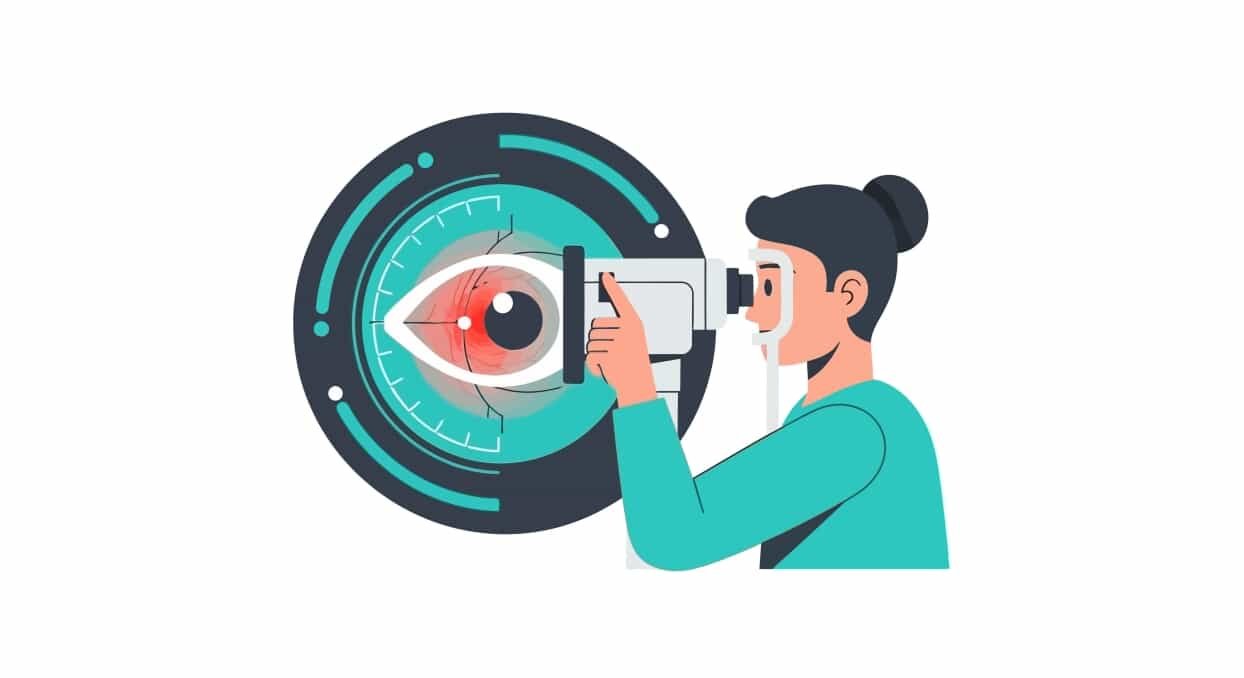
Over half of adults in the U.S. and Europe experience dry eyes at some point in their lives, but most never get help. Dry eye becomes more common with age and is often seen by patients as normal. This makes treating dry eye a priority for many eye clinics and practitioners. As the symptoms of dry eyes can have multiple causes, ophthalmologists need dry eye diagnostic equipment that can help them evaluate tear film stability, meibomian gland health, ocular surface condition, symptoms, and treatment response.
The Review of Optometry notes that dry eye is multifactorial and proper treatment requires determining the underlying cause. Ferris Optical provides high-quality used ophthalmic equipment and used optometry equipment, allowing optometrists and ophthalmologist to provide their patients with the best diagnostic services at a lower cost.
Why Dry Eye Diagnostic & Treatment Equipment Matters
Properly diagnosing and treating dry eye can make a huge difference to your patients.
Dry Eye is More Than Irritation
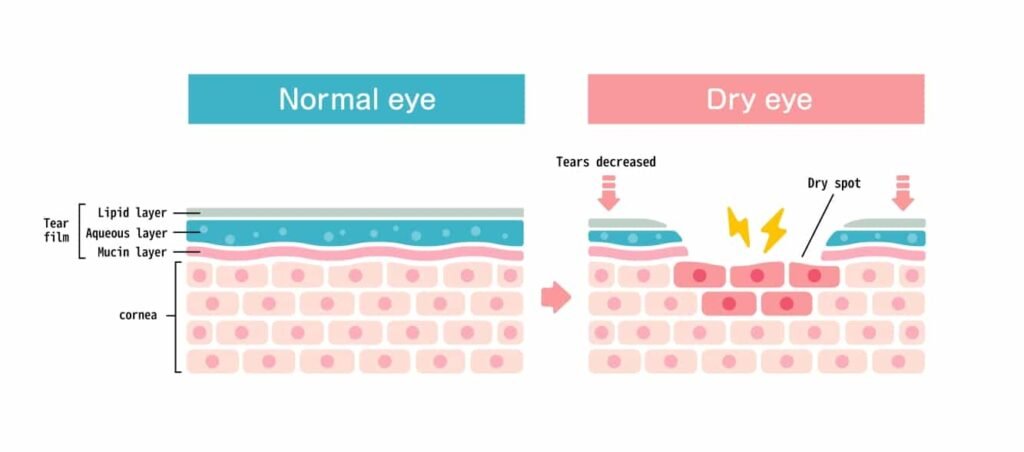
Dry eye is typically associated with irritation. However, it can cause a range of symptoms, including blurred vision (especially close up), mucus in or around the eyes, a feeling as if something is in the eye, excessive tear production, or pain when wearing contact lenses.
Patients experiencing dry eye may be dealing with a variety of issues. These include insufficient tear production, poor tear quality, issues with the meibomian gland, inflammation, and ocular surface damage. It is not just “a little bit of irritation” and, if untreated, can compromise vision.
Additionally, dry eye can be a symptom of an underlying condition or a side effect of medication.
Better Diagnostics Lead to Better Treatment Plans
The root cause of dry eye informs the best treatment. With good equipment, clinicians can evaluate tear break-up time and meniscus height, meibomian gland structure, redness, blink speed, lipid layer quality, and ocular surface issues.
This leads to better treatment. For example, insufficient tear production may be treated using artificial tears, but issues with the meibomian gland may be treated better with warm compresses over the eyes or eyelid cleaners.
Dry Eye Services Can Grow Clinic Revenue
Given how common dry eye is, especially in older adults, clinics can grow revenue by providing not just diagnostic and treatment options, but screening for dry eye to help people realize they need treatment. It can even be a dedicated service line, requiring separate visits, additional testing, and specialized billing.
Visual Reports Improve Patient Education
Given many patients don’t seek treatment for dry eye, patient education is key to help patients understand results and be more accepting of recommendations. Patients can be shown tear film results, ocular surface findings, or meibography images so they see the real problem and can then be educated not just on the treatment, but why and how that particular treatment works. Imaging can also show patients results that can encourage them to keep up with treatment.
What To Look For in Dry Eye Equipment
The right dry eye devices for eye clinics complement your training and skills to provide the best results. Here are some things to look for:
Meibomian Gland Imaging
When the meibomium gland is not functioning correctly, insufficient oil is produced under the eyelids. The eye then produces only watery tears, which evaporate quickly, resulting in dry eye. What often happens is that the glands on the edge of the eyelid become blocked and do not release oil. While artificial tears can help, the best practice is to unblock the glands, which can often be done simply with hot compresses. Imaging helps distinguish between meibomium gland dysfunction and other issues.
Non-Invasive Tear Break-Up Time
The tear break-up time is the amount of time between the end of a complete blink and the first break in the tear film, and is thus a measure of tear quality. There are two basic tests. The first is noninvasive interferometry break-up time (NIBUT), and the second is noninvasive keratograph break-up time (NIKBUT). These tests are primarily aimed at contact lens wearers, as tear film stability is important for wearer comfort.
Tear Meniscus Height
Tear meniscus height is used to evaluate tear volume and establish the difference between aqueous deficiency (insufficient tear production) and evaporative patterns (where tears evaporate too quickly). Insufficient tear production can be a symptom of an underlying condition or a side effect of medication, and in some cases those causes can be addressed, for example by changing birth control types.
Ocular Surface Imaging
Imaging the ocular surface can also provide useful information, including an objective measure of redness. Fluorescein imaging can detect damage caused by untreated dry eye, as can lissamine green imaging. Surface imaging can also measure the lipid layer, another way to assess function of the meibomian gland. Finally, blink assessment can determine whether evaporative dry eye is caused by dysfunctional blinking.
Treatment Capability
Some dry eye medical devices are designed only to diagnose. Depending on your clinic’s size, it may be worth considering devices, such as IPL platforms, that also offer treatment options.
Workflow and ROI
The best equipment in the world won’t help if it is too hard to use. When researching equipment, consider ease of use, test speed, reporting, and patient education tools. Consider how long it will take to train technicians on the new equipment and how easy it is to service and maintain. Also consider the value of used equipment, especially if there’s a chance you may be reselling it in the future (for example, to upgrade).
Top 5 Dry Eye Diagnostic & Treatment Equipment
While the best equipment for your clinic varies according to your needs, physical space, patient demographics, etc, here are five devices we recommend.
1. OptiLIGHT – Dry Eye Medical Device
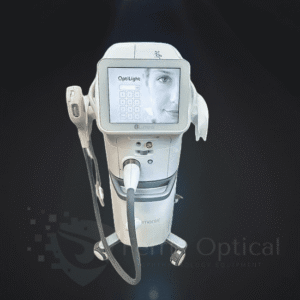
OptiLIGHT is an IPL-based dry eye treatment device used to manage meibomian gland dysfunction. Intense pulsed light (IPL) systems use pulsed light therapy on the eyelid to unblock the meibomian gland, especially in patients who don’t respond to hot compresses.
We recommend the OptiLIGHT dry eye device for clinics that want to add an advanced dry eye treatment service. Offering IPL-based treatment, which can provide faster results than at-home hot compresses, creates a revenue opportunity. However, it does require special training for technicians, and an understanding of which patients are good candidates and proper treatment protocols. It should be used in conjunction with lipid layer or meibography to ensure correct treatment.
Buyers should also confirm approval status and service history before purchase, and ensure that used treatment devices include all accessories and handpieces. Ferris also recommends making sure you understand training needs before purchase.
2. TearScience LipiScan Dynamic Meibomian Imager
The TearScience LipiScan Dynamic Meibomian Imager is made by Johnson & Johnson. It’s designed to provide proper meibomian gland imaging, as well as to archive, manipulate, and store images in adult patients.
This device is very useful for optometry clinics, as it can be easily used to screen for meibomian gland dysfunction and educate patients on the need for screening and proper treatment. It can also identify more significant gland issues. We consider this an essential tool for anyone starting out with dry eye services and for general screening, especially given its small footprint.
When buying this used dry eye screening equipment, check the image quality, software, camera function, and included accessories. Make sure you can still get service.
3. Ketaograph 5M Dry Eye Analyzer
The OCULUS Keratograph 5M is a corneal topographer and dry eye analyzer. It evaluates the ocular service and provides tear film analysis, as well as supporting NIKBUT, lipid layer assessment, tear meniscus measurement, and non-invasive tear film analysis. This is a strong diagnostic platform that helps evaluate dry eye, assess the cause, and perform corneal evaluation.
We recommend this device for clinics that have a high proportion of patients wearing contact lenses, as it is highly effective at evaluating the cause of contact lens-related dysfunction. It also handles meibography and lipid layer assessment, so it can assess and diagnose meibomian gland dysfunction. It’s especially valuable for clinics that need both dry eye analysis and corneal diagnostic capability but have limited space.
4. Tomey MR-6000 Dry Eye Analysis
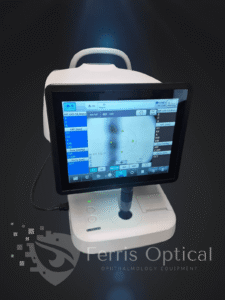
This is another multifunction ophthalmic unit with good dry eye analysis features. Specifically, it assesses blink frequency, tear meniscus height, and hyperemia, and allows observation of the meibomian gland. This means it also offers broader anterior segment and pre-test workflow value, making it well-suited for general clinics and practices that want more than one diagnostic function in a unit.
Per Ferris, if buying this used, check the software version and included functions, and make sure the unit is calibrated and has all of its accessories. Verify measurement quality and test the printer before purchasing.
5. Topcon TERA Dry Eye Imager
The Topcon TERA is another tool for dry eye analysis and ocular surface evaluation. It has automated non-invasive tear break-up time, as well as meibomian gland imaging, structure evaluation, and tear film stability.
This is a dedicated imaging system good for routine screening, diagnosis, and patient education. The dry eye screening workflow is easy to handle, and this unit is particularly good for patient-friendly imaging and education.
Unfortunately, availability used can vary a lot. If you do manage to find a unit, confirm software, imaging quality, included accessories, region compatibility, and service status. This is a popular unit for a reason and comes highly recommended.
Quick Comparison Table
Device Category Best For Main Clinic Value
OptiLIGHT Dry eye treatment device Clinics adding IPL dry eye treatment Treatment service and dry eye revenue growth
TearScience LipiScan Meibomian gland imager Dry eye diagnosis and patient education Fast gland imaging and documentation
Keratograph 5M Dry eye analyzer / corneal topographer Full dry eye and corneal assessment NIKBUT, tear meniscus, lipid layer, meibography
Tomey MR-6000 Multifunction diagnostic unit Clinics wanting dry eye plus pre-test functions Blink, tear meniscus, hyperemia, meibomian observation
Topcon TERA Dry Eye Imager: Dedicated dry eye screening workflow, NIBUT, meibography, tear film stability
Best Dry Eye Equipment By Clinic Type
Best for New Optometry Clinics
At Ferris, we recommend the LipiScan or Topcon TERA for clinics starting dry eye diagnostics. The Topcon TERA is particularly good, but can be hard to find.
Best for Advanced Dry Eye Clinics
If you are ready to add dry eye treatment as a revenue stream, we recommend the OptiLIGHT for advanced treatment of meibomian gland dysfunction.
Best for Corneal and Ocular Surface Practices
If you work with patients who need corneal imaging, we recommend Keratograph 5M, which combines that with dry eye analysis. It is also an excellent device if you have many patients wearing contact lenses.
Best for Multifunction Workflow
Limited space? We recommend the Tomey MR-6000 for clinics that want to combine dry eye assessment with broader diagnostic utility in. one unit.
Best for Patient Education
Many patients don’t seek or continue treatment for dry eye. LipiScan, Keratograph 5M, and Topcon TERA all show good meibography and tear film imaging to show patients the problem and help them understand what is going on.
New vs. Used Dry Eye Diagnostic & Treatment Equipment
Benefits of Buying New
New equipment is more up to date with the latest software. You can also get a warranty and significant manufacturer support. New devices are also guaranteed to be “up to code” with current regulatory labeling and configurations that match best practices.
Benefits of Buying Used
The obvious benefit of buying used equipment is lower cost and faster ROI. This can make it easier to expand your clinic and access higher-quality equipment from major brands. However, there are also some risks.
What to Check Before Buying Used
When buying used equipment, you should do your due diligence to make sure the equipment is in good condtion. Check:
- Device model and manufacturer. Look for manufacturers with a record of producing durable equipment
- Treatment vs. diagnostic use.
- Software version. Out-of-date software that can’t be updated can cause issues.
- Camera or image quality
- IPL handpieces and treatment accessories. Make sure everything is there or can easily be replaced.
- Workstation or computer, if relevant
- Calibration or testing status
- Service history
- Region compatibility
- Availability of consumables
- Training requirements
- Approval status
- Shipping and installation needs
Why Buy Eye Equipment From Ferris Optical Inc.?
Affordable Used Ophthalmic Equipment
At Ferris Optical, we help eye care clinics access high-quality used ophthalmic and optometry equipment at a more affordable cost than buying new.
Equipment for Dry Eye, Corneal, and Diagnostic Workflows
We carry a wide variety of equipment, including dry eye analyzers, meibography devices, and corneal topographers. We also carry fundus cameras, tonometers, autorefractors, slit lamps, OCT systems, and everything you need for your clinic and workflows.
Support for Optometrists and Ophthalmologists
We support optometry clinics, ophthalmology practices, hospitals, surgical centers, and eye care providers all over the world – we don’t specialize so narrowly that you can’t find what you need.
Request A Quote
If your clinic needs dry eye diagnostic and treatment equipment, contact Ferris today. We can help you find the right used equipment and get a quote on all of your clinic’s needs.
Frequently Asked Questions
What is Dry Eye Diagnostic Equipment Used For?
Dry eye diagnostic equipment is used to properly identify the cause of dry eye. It does this by evaluating factors such as tear film stability, tear volume, meibomian gland structure, blink behavior, and ocular surface condition. It is also used to measure response to treatment.
What Equipment is Used to Diagnose Meibomian Gland Dysfunction?
Meibomian gland dysfunction can be diagnosed by using meibography devices, such as LipiScan, Keratograph SM, and Topcon TERA, which can image gland structure or assess lipid layer quality.
What is the Difference Between Dry Eye Diagnostic and Treatment Equipment?
Diagnostic devices are used to evaluate the cause and severity. Dry eye treatment equipment is used as part of a treatment plan and includes IPL systems.
Is Used Dry Eye Equipment Worth Buying?
Yes. However, you should test the device to make sure it is functional and suitable for your workflow. Also, make sure it has all accessories and meets local regulatory requirements.
Does Ferris Optical Sell Used Dry Eye Equipment?
Yes. We sell a variety of used and secondhand ophthalmic equipment, including dry eye diagnostic and treatment equipment as available.
Dry eye care is a valuable service. With many adults experiencing dry eye but not receiving treatment, there is an opportunity to help patients and add a valuable revenue stream. The best equipment depends on your needs, whether you are offering routine screening, corneal assessment (particularly for contact lens wearers), IPL treatment, or a complete workflow.
If you are opening, upgrading, or expanding an eye clinic, Ferris Optical Inc. can help you find affordable used dry eye diagnostic and treatment equipment from trusted ophthalmic brands. Request a quote today to check current availability.
 English
 Spanish
 German
 French