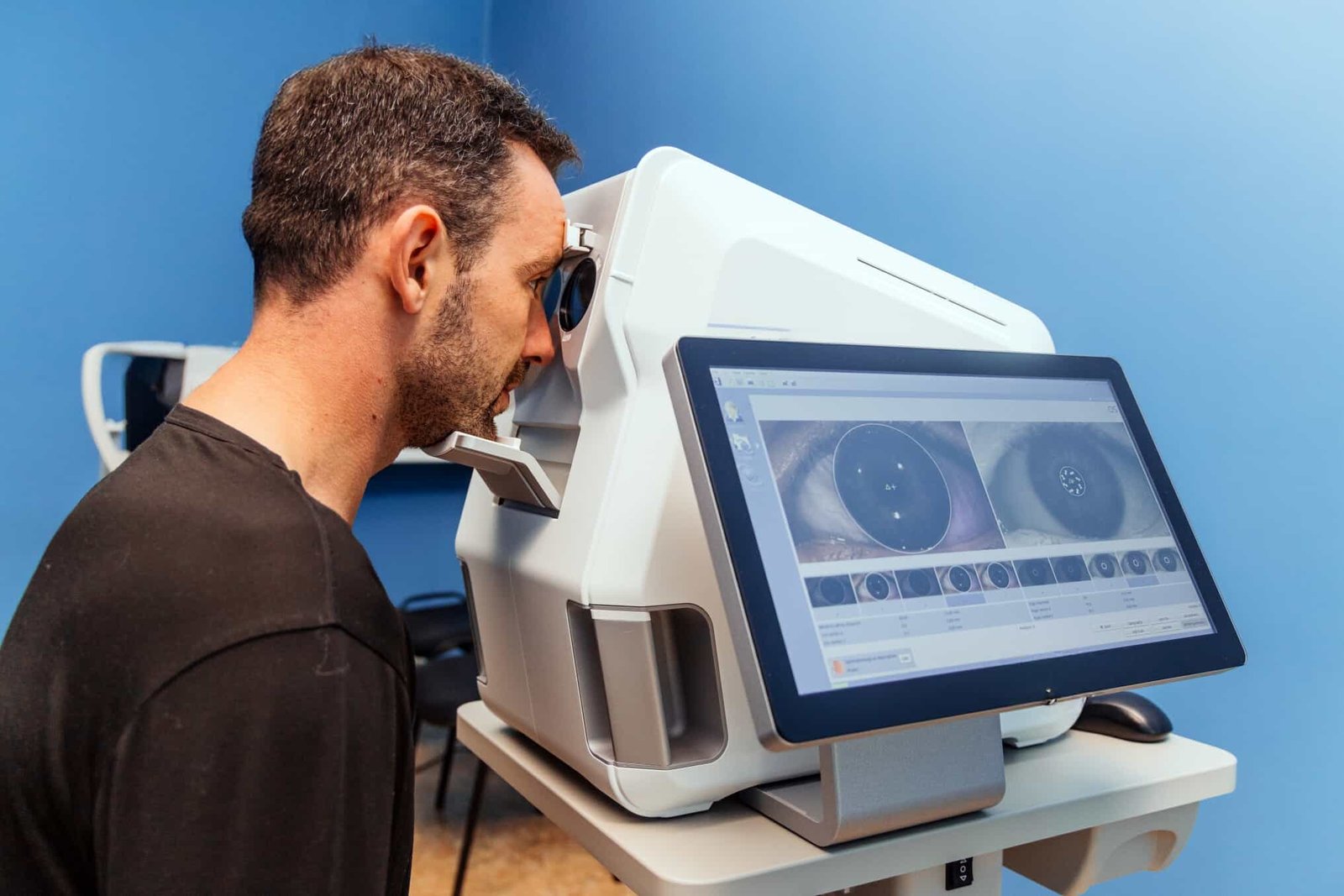
Optical biometry is used to gather precise measurements needed for cataract surgery planning, intraocular lens selection, and refractive outcome prediction, and is also a vital tool for ophthalmic research.
Unlike traditional systems, the effectiveness of modern biometers cannot be judged by a single measurement. Modern systems can offer a combination of measurements, including axial length acquisition, keratometry, anterior chamber depth, lens thickness, and corneal measurements. Clinicians select devices that meet the needs of their practice and patients. In addition, clinicians and researchers need to consider efficiency features, such as reproducibility, software workflow, data output, and cataract throughput.
This guide provides a comparison of modern optical biometry platforms, including swept-source OCT and OLCR-based devices. Ferris Optical Inc. is a leading supplier of secondhand ophthalmic equipment. Our experience and expertise with biometers can help staff at clinics, labs, academic institutions, and research teams choose the right system, including major brands at lower equipment costs.
What Is Optical Biometry?
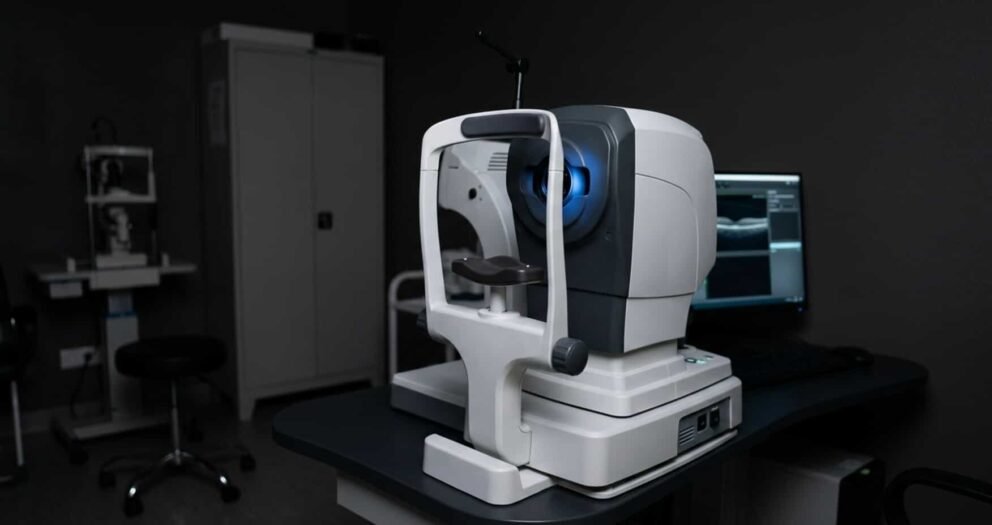
Optical biometry is used in most modern cataract practices for procedure planning.
Optical Biometry Definition
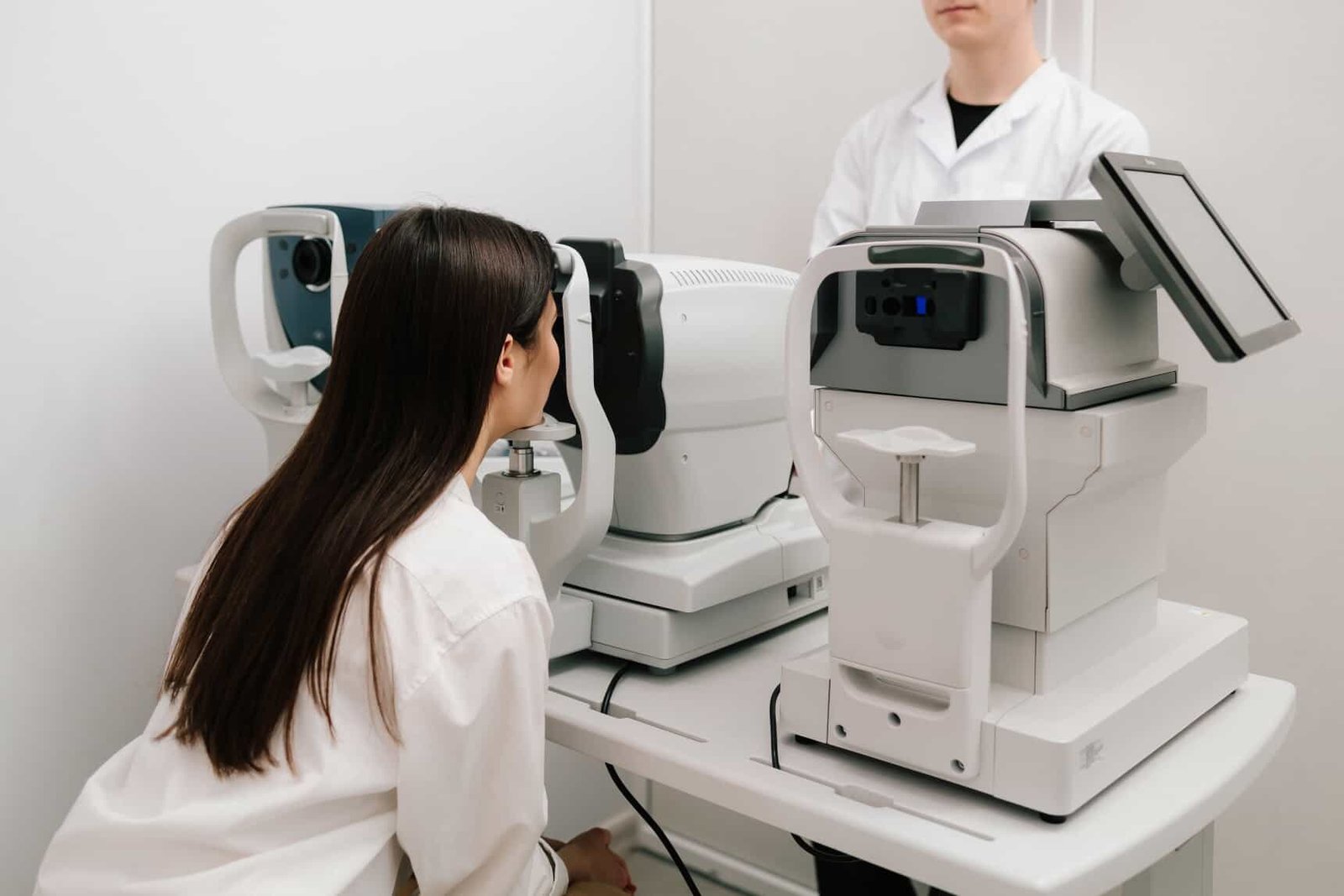
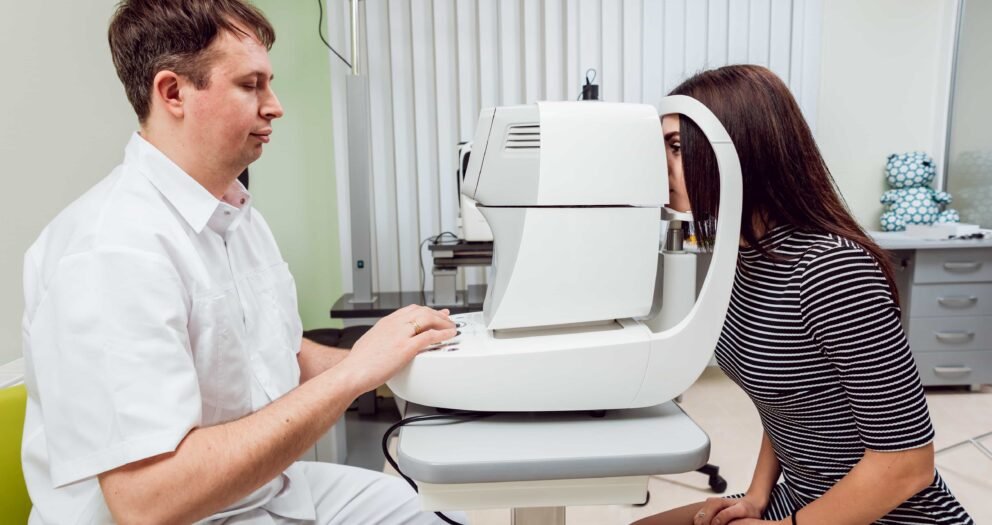
Optical biometry is a non-contact method used to measure key anatomical parameters, including corneal curvature, axial length, and anterior chamber depth. It can be used for diagnostic purposes, procedure planning, and research.
Why Optical Biometry Matters in Cataract Surgery
Ophthalmologists use biometric measurements to select the appropriate intraocular lens (IOL) for cataract surgery patients. Accurate measurements ensure that clinicians choose the correct power for the IOL. This reduces the risk of refractive surprises and improves cataract workflow.
Optical Biometry vs Ultrasound Biometry
Optical biometry is considered the gold standard for measuring the eye before cataract surgery. It’s a fast, highly accurate, non-contact technique that can be used for most patients. However, A-scan ultrasound can be more effective for measuring dense cataracts that light cannot penetrate.
Main Measurements Optical Biometry Devices Provide
Modern optical biometry devices can provide a range of ocular measurements.
Axial Length
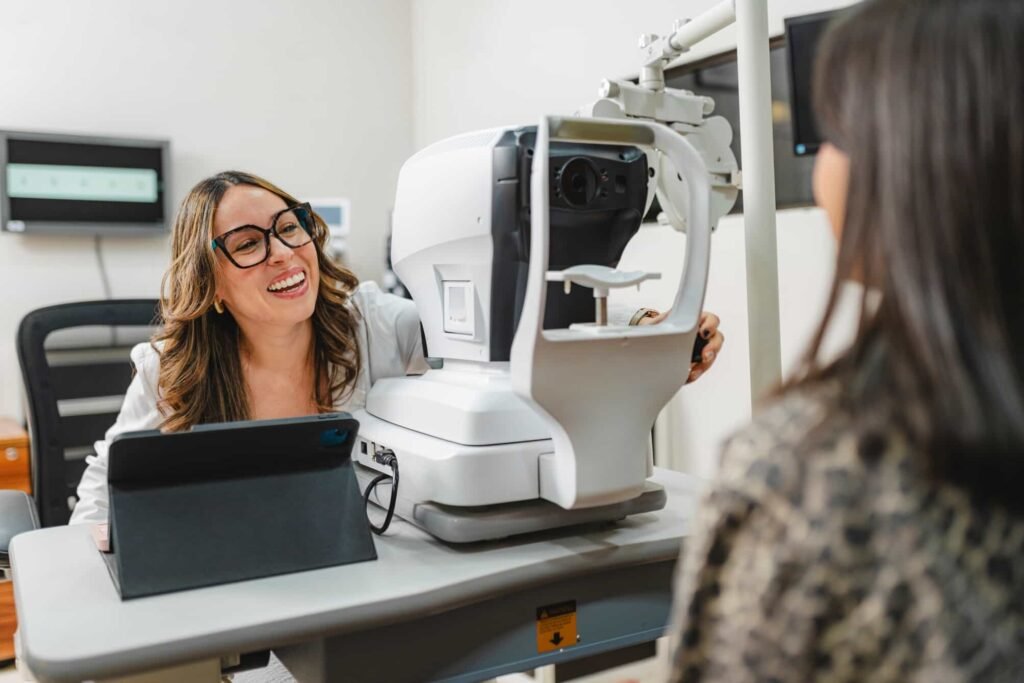
Axial length, or the distance from the front of the cornea to the retina, is one of the most important measurements in cataract surgery. This measurement is necessary to determine the correct IOL power for optimal vision correction after surgery.
Keratometry
Corneal curvature measurement, combined with axial length, helps determine the eye’s focusing power. In addition, corneal curvature helps identify astigmatism, enabling surgeons to determine whether toric IOLs are necessary to achieve appropriate refraction.
Anterior Chamber Depth
Accurate calculation of anterior chamber depth helps select the correct IOL power and determine Effective Lens Position (ELP). These measures also enable more effective pre-surgical planning, reducing the risk of complications.
Lens Thickness
Lens thickness measurements help identify potential surgical risks, such as a pressurized capsule or unexpected lens positions.
White-to-White Distance
White-to-white distance measures the horizontal corneal diameter. It’s a key predictor for the eye’s internal dimensions. It aids with accurate IOL power calculations, proper IOL sizing, and surgical planning.
Central Corneal Thickness
Assessing corneal thickness is important because it can indicate possible pathology. Identifying corneal disease before surgery can inform treatment plans for both cataract surgery and corneal disease.
Swept-Source OCT vs OLCR Biometers
Swept-Source OCT (SS-OCT) and OCLR biometry devices each offer accurate measurements that aid in cataract surgery planning. OLCR is an older technology that has some limitations compared to the newer SS-ICT technology.
What Is Swept-Source OCT Biometry?
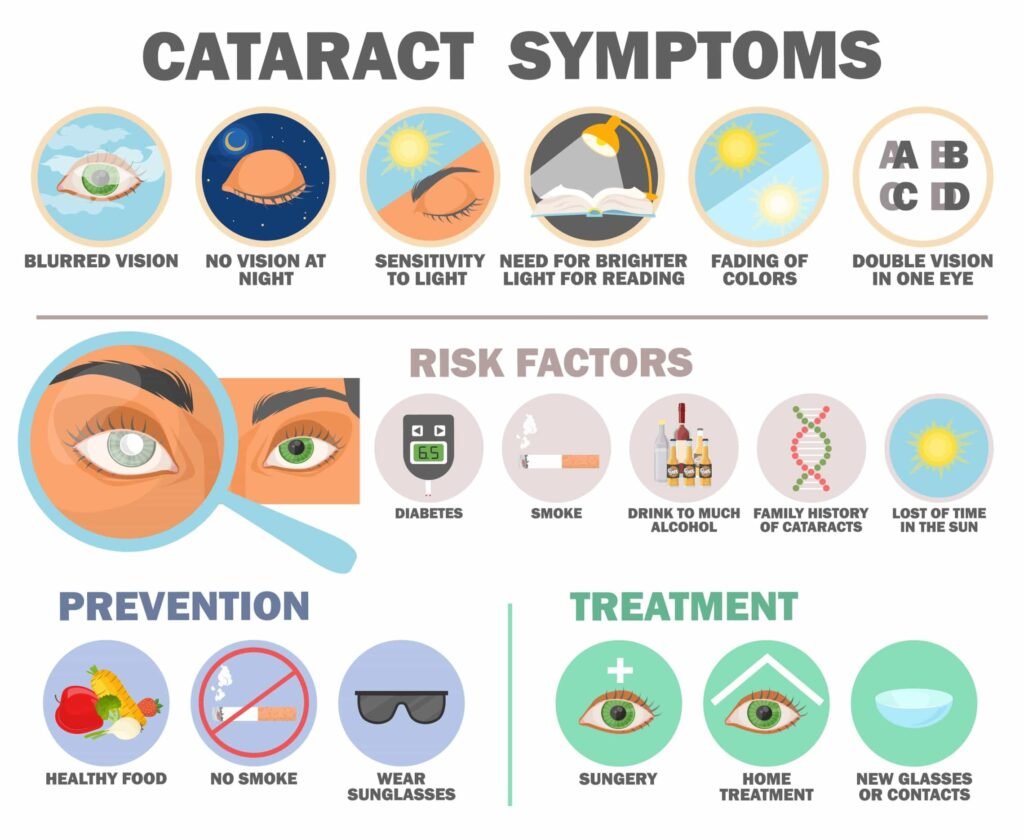
Swept-source OCT is a newer technology for visualizing eye structures. It utilizes a tunable swept laser and a single photodetector to conduct very high-speed scans. It allows for much deeper tissue penetration than traditional OCT methods,
What Is OLCR Biometry?
OLCR biometry uses low-coherence laser interferometry to create a map of the eye. It is primarily known for capturing a comprehensive, continuous A-scan of the eye rather than just a single length parameter. While accurate, OLCR is less effective in measuring axial length in patients with dense cataracts.
Key Differences Between SS-OCT and OLCR
- Scan Speed: SS-OCT is faster than OLCR, scanning from 20,000 to over 100,000 A-scans per second. OLCR performs at a few thousand scans per second.
- Axial length acquisition: SS-OCT captures cross-sectional OCT images and can use a “sum-of-segments” method to achieve highly accurate axial length measurements. OLCR relies on a “group refractive index” to calculate measurements for the entire eye.
- Dense cataract performance: SS-OTC can map dense cataracts without any additional settings or adjustments, whereas OLCR requires enhanced imaging modes to penetrate dense lens opacities.
- Measurement repeatability: SS-OCT and OLCR both offer high repeatability for axial length measurements. SS-OCT provides greater repeatability in dense cataracts.
- Software workflow: SS-OCT software provides real-time scan monitoring. OLCR software does not provide live imaging, so clinicians cannot visually confirm the specific structures being measured.
- Data output: OLCR provides precise numerical tables of the ocular metrics. SS-OCT provides numerical biometric values and cross-sectional images.
- Integration with IOL formulas: Both SS-OCT and OLCR data integrate seamlessly with IOL calculation formulas.
- Cataract surgery planning efficiency: Research suggests that SS-OCT sum-of-segment data yield more reliable IOL calculations, particularly for eyes outside the normal axial length distribution. This improves procedure planning and reduces the risk of “refractive surprises.”
Which Technology Is Better for Cataract Patients?
The best choice for optical biometry varies. The best device for any particular practice depends on cataract density, measurement needs, device software, surgeon preference, clinic workflow, and budget.
Cataract Workflow: What Makes a Biometer Efficient?
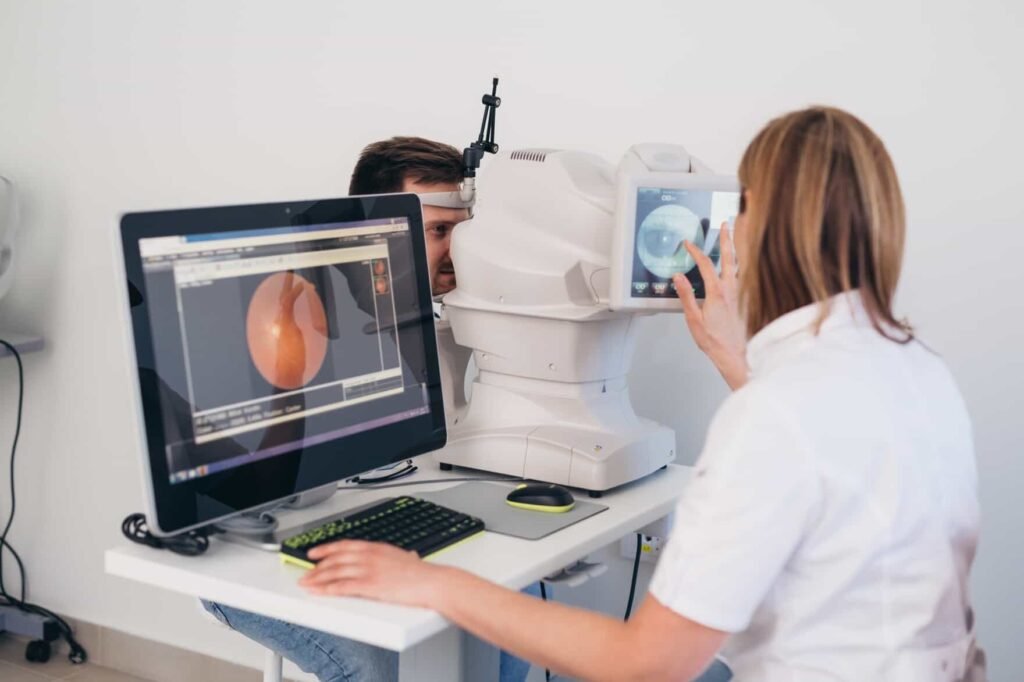
A biometer is critical for assessing cataract patients before surgery. The right device can improve both workflows and clinical outcomes.
Fast Patient Acquisition
Appointment time is an issue for patients and clinics alike. Moving patients efficiently through all necessary screenings keeps clinics on schedule and improves throughput. Patients appreciate being able to start and end appointments on time.
Dense Cataract Measurement Success
Advanced cataracts that are more opaque can complicate the measurement process. Incorrect measurements increase the risk of refractive errors when choosing an IOL, leading to suboptimal surgical outcomes. Devices that can better measure thickened cataracts can improve patient outcomes.
Built-In IOL Formulas
Biometry software includes formulas such as Barrett, Haigis, Holladay, SRK/T, and others. Clinics should look for devices that utilize their preferred formula.
Toric and Premium IOL Planning
Clinicians rely on keratometry, posterior corneal data, and image guidance to determine whether the patient needs toric or specialty IOLs.
Technician-Friendly Operation
Ease-of-use features such as automated alignment and scan guidance improve patient throughput, reduce staff training time, and increase technician repeatability, resulting in reliable results.
Report Generation and Data Management
Some biometry devices allow clinicians to produce clinical reports and exportable data. Additional data features include DICOM compatibility and EHR integration.
Modern Optical Biometry Devices to Compare
1. Aladdin by Topcon
The Topcon Aladdin is a 9-in-1 device that combines optical biometry with Placido-based corneal topography. The device can capture all necessary anterior segment measurements for both standard and premium IOL power calculations in cataract surgeries.
2. AL-Scan by Nidek
The Nidek AL-Scan is known for delivering rapid, accurate measurements required for cataract surgery. The device only takes about 10 seconds to measure axial length, corneal curvature radius, anterior chamber depth, central corneal thickness, white-to-white distance, and pupil size.
3. Anterion by Heidelberg
The ANTERION is a multi-use imaging and diagnostic platform. It combines swept-source OCT technology and anterior measurements. It delivers rapid, high-resolution images and precise anatomical measurements.
Note: Approval status, availability, software configuration, and included formulas for the Anterion by Heidelberg may vary by region and by individual used-equipment listing.
4. ARGOS Biometer with Image Guidance by Alcon
The ARGOS® Biometer with Image Guidance is an advanced SS-OCT system. It quickly captures preoperative eye measurements, providing high-resolution images for calculating IOL power, streamlining surgical planning, and enhancing surgical precision.
5. Galilei G-6 by Ziemer
The GALILEI G6 ColorZ utilizes Dual-Scheimpflug Tomography, Placido Topography, and Optical Biometry technologies for comprehensive measurements.
6. IOLMaster 700 by Carl Zeiss Meditec
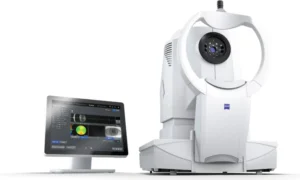
The IOLMaster 700 is an SS-OCT biometer. This high-precision device measures the entire axial length of the eye to calculate the IOL power before cataract surgery.
7. LENSTAR LS-900 by Haag-Streit
Discuss technology, multiple ocular measurements, and its role as a long-standing optical biometry platform.
The Haag-Streit LENSTAR LS 900 is an all-in-one OLCR optical biometer for cataract surgery planning and myopia management. It captures up to nine precise measurements in under 30 seconds using a single scan.
8. OA-2000 by Tomey
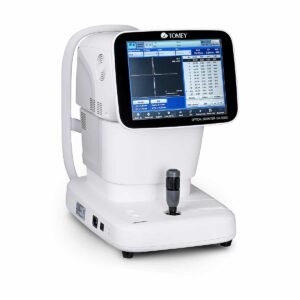
The OA-2000 by Tomey is an all-in-one SS-OCT biometer and corneal topographer. It uses Fourier-domain A-scan technology and Placido-disc topography to measure axial length, corneal curvature, and lens thickness in a single, rapid, automated scan.
Note: Approval status, availability, software configuration, and included formulas for the OA-2000 by Tomey may vary by region and by individual used-equipment listing.
9. Pentacam AXL by Oculus
The Pentacam AXL is a premier, non-contact device for high-precision anterior segment tomography. It provides 3D analysis of the eye’s anterior segment in seconds, using a combination of Scheimpflug tomography and axial length measurement.
10. REVO NX by Optopol
The Optopol REVO NX 130 is a high-speed, Spectral-Domain OCT and OCT-Angiography system for advanced ophthalmic diagnostics, allowing for comprehensive clinical scanning from the cornea to the retina.
Note: Approval status, availability, software configuration, and included formulas for the REVO NX by Optopol may vary by region and by individual used-equipment listing.
Best Optical Biometry Devices by Use Case
Best for High-Volume Cataract Clinics
The ZEISS IOLMaster 700 and Alcon ARGOS Biometer with Image Guidance are both strong choices for high-volume practices. These devices deliver fast cataract workflow, so clinicians can get accurate measurements without keeping patients waiting. Swept-source OCT biometry aids in fast, accurate IOL planning for busy surgical practices.
Best for Research and Academic Institutions
Haag-Streit LENSTAR LS-900, Heidelberg Anterion, and ZEISS IOLMaster 700 offer the high levels of reproducibility, measurement comparison, data quality, and anterior segment analysis needed for both research and instruction. The devices are flexible and easy to use, making them ideal for multi-user environments.
Best for Corneal Surgeons
If your practice requires both corneal and retinal data, you may benefit from the Oculus Pentacam AXL, Topcon Aladdin, or Ziemer Galilei G-6. These devices provide comprehensive corneal and anterior measurements for both retinal and corneal procedure planning.
Best for Cataract Surgeons
High-volume cataract practices often choose the ZEISS IOLMaster 700, Alcon ARGOS, Oculus Pentacam AXL, or Ziemer Galilei G-6. These devices support advanced surgical planning and decision-making with reliable, comprehensive measurements.
Best for Growth-oriented Ophthalmology Clinics
For clinics planning for near-term growth and increased patient capacity, consider the Topcon Aladdin, Nidek AL-Scan, or Oculus Pentacam AXL. These all offer reliable cataract workflows, practical measurements, and diagnostic value with a reasonable equipment investment.
Best For Budget-Conscious Clinics or Used-Equipment Buyers
For budget-conscious practices, the Nidek AL-Scan, Topcon Aladdin, Haag-Streit LENSTAR LS-900, and Tomey OA-2000 are solid investments. Talk to used equipment vendors about device availability, condition, and configurations before purchasing.
Approval status, availability, software configuration, and included formulas may vary by region and by individual used-equipment listing.
New vs Used Optical Biometry Devices
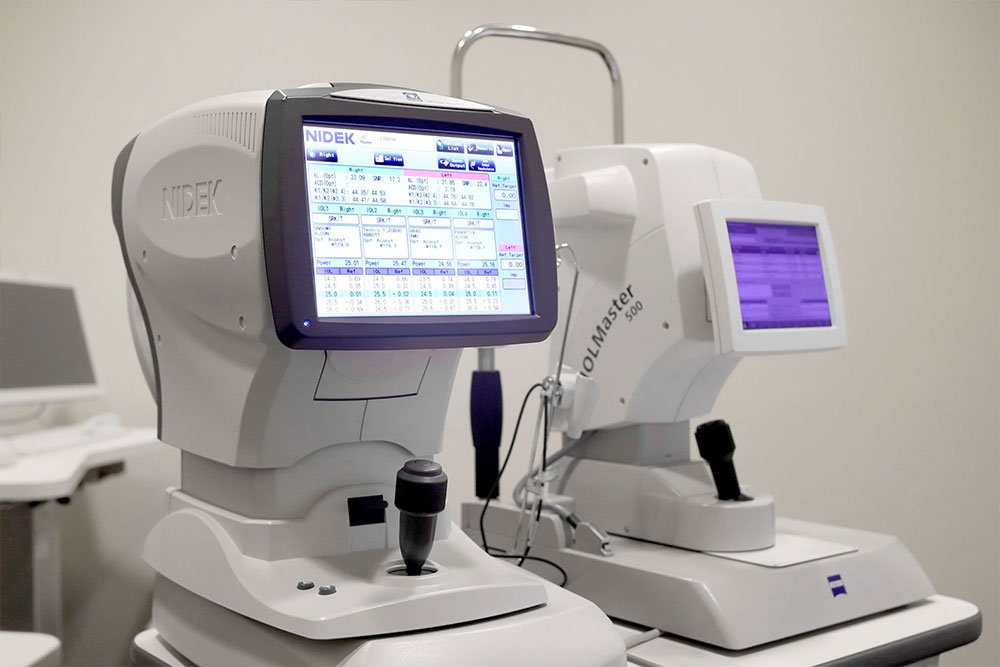
New and used biometric devices are readily available, and both offer benefits for practitioners and researchers.
Benefits of Buying New
New devices are generally equipped with the latest software and the newest integrations. In addition, a new device may come with an Original Equipment Manufacturer (OEM) warranty and a service contract for direct manufacturer support.
Benefits of Buying Used
Used biometry equipment is generally available at a lower price point, without sacrificing quality. Used equipment vendors offer access to high-quality devices from major brands at a lower cost than comparable new equipment.
Why Used Biometers Can Be a Smart Investment
A carefully selected used optical biometer, purchased from a trusted vendor, can provide an opportunity to upgrade professional diagnostic technology at a lower cost than buying new.
What to Check Before Buying a Used Biometer
Before selecting a used biometer, it’s important to make sure the device meets your needs. Check information including:
- Model and manufacturer
- Technology type
- Software version
- Included computer/workstation
- IOL formula availability
- Calibration status
- Measurement quality
- Accessories
- Printer/reporting setup
- Export capability
- Service history
- Power requirements
- Shipping and installation needs
Optical Biometry Buying Checklist
Before investing in your biometric device, consider the needs of your proactive approach and ensure the device will meet them.
Clinical Requirements
What type of cataract patients will the clinic serve? Does a significant portion of the patient base present with dense cataracts?
Measurement Requirements
Which measurements does your practice require? Can the device measure axial length, keratometry, ACD, LT, CCT, WTW, and pupil size?
Research Requirements
Does the device support reproducible protocols, exportable data, and consistent measurements?
Workflow Requirements
How many patients per day does your practice see? Is your clinic planning to scale operations in the near future and require higher throughput on scanning systems?
Software Requirements
Consider the software the device uses. Make sure it includes the formulas, planning tools, and reporting options that your practice relies on.
Training Requirements
How easy is it for technicians, students, or researchers to operate? Does the vendor offer training and support?
Budget and ROI
How quickly can the device support an increase in income or productivity, such as patient volume, research productivity, or teaching value, to justify the initial investment?
Compliance and Documentation
Does the device provide consistent reporting and traceable measurement records?
Frequently Asked Questions About Optical Biometry Devices
What is an optical biometry device used for?
It measures ocular parameters used for cataract surgery planning and IOL power calculation.
What is the most important measurement in cataract biometry?
Axial length is one of the most important, but keratometry, anterior chamber depth, lens thickness, and corneal measurements also matter.
What is the difference between swept-source OCT and OLCR biometers?
Both are light-based technologies, but they use different measurement methods and may differ in scan speed, acquisition success, and workflow.
Are measurements from different biometers interchangeable?
Not always. Device technology, software, formulas, and measurement assumptions can lead to differences.
Which optical biometer is best for cataract clinics?
The best device depends on the clinic’s specific profile. Consider factors such as patient volume, cataract density, IOL planning needs, software, budget, and serviceability.
Is a used optical biometer worth buying?
Yes, if it is tested, suitable for the intended workflow, and includes the required software, accessories, and reporting functions.
What should researchers look for in a biometer?
Researchers should consider whether the device can meet their needs for reproducibility, measurement agreement, data output, protocol consistency, and documentation.
Does Ferris Optical sell used optical biometers?
Ferris Optical supplies used and secondhand ophthalmic equipment, including biometers when available.
Conclusion: Choosing the Right Optical Biometry Device
Optical biometry devices are essential tools for any ophthalmology practice that offers cataract surgery and for clinical research. The devices provide the measurements necessary for cataract surgery planning, IOL calculation, research documentation, and high-throughput ophthalmic workflow.
Choosing the best device depends on your practice’s priorities. Consider whether you want a biometric device to improve clinical efficiency, provide accuracy in scanning dense cataracts, assist with premium IOL planning, or support research reproducibility. In addition, clinicians should evaluate software tools and consider their budget.
If you are looking for a used optical biometry device, Ferris Optical Inc. can help you find affordable ophthalmic equipment from trusted brands. Contact Ferris Optical today to check the availability of biometers and other used ophthalmology equipment for your clinic, lab, or research program.
 English
 Spanish
 German
 French