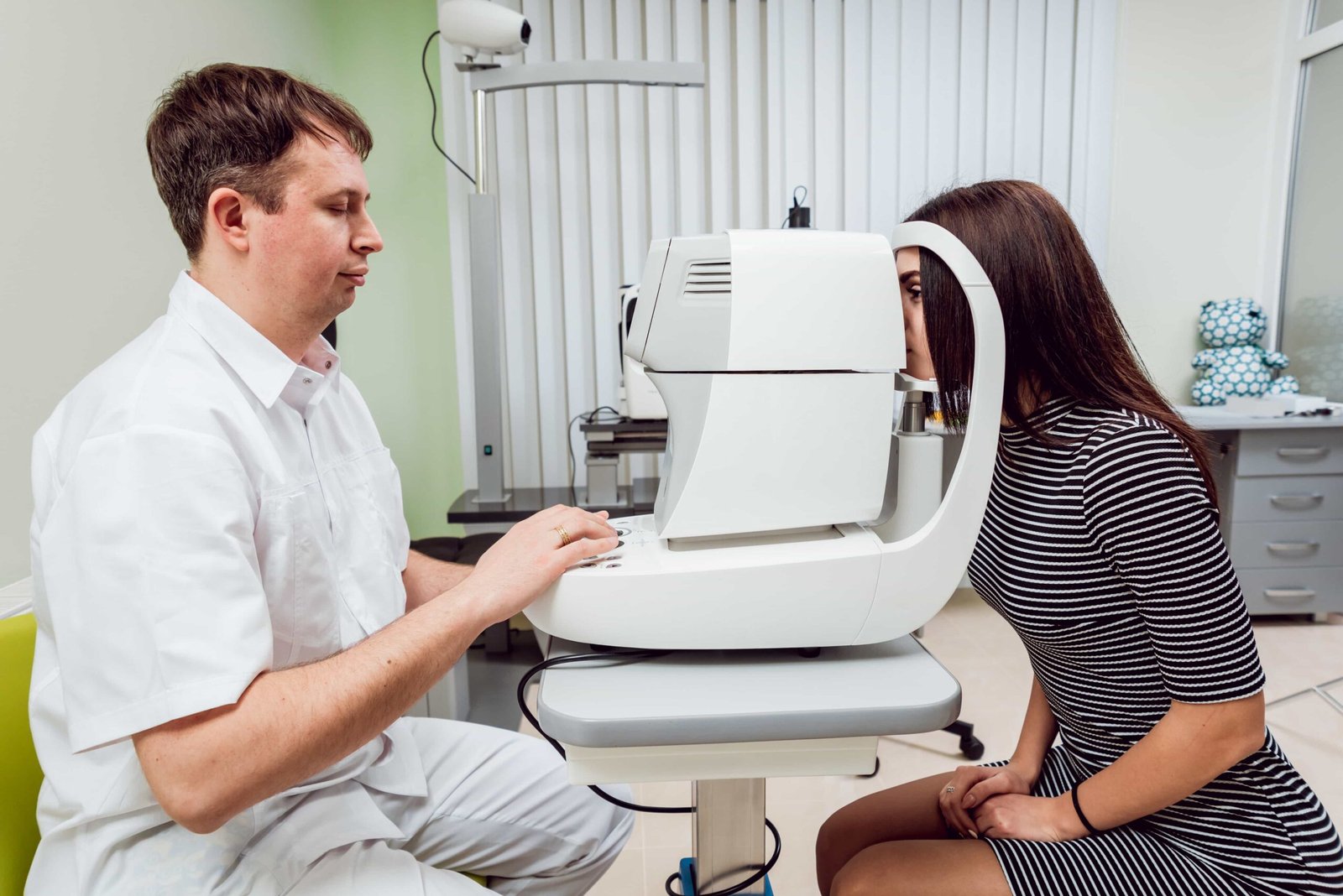
A non-contact tonometer is one of the most useful diagnostic tools in an optometry clinic. It provides quick, non-invasive intraocular pressure (IOP) measurements without touching the cornea. These instruments help eye care professionals efficiently screen patients and detect glaucoma.
Optometrists use non-contact tonometers for routine pre-testing, patient flow management, eye pressure documentation, and improved overall clinical efficiency. Whether you are starting a new clinic, replacing old equipment, or adding a second pre-test lane, choosing the right non-contact tonometer can greatly enhance workflow and patient experience.
In this guide, we’ll explore five popular options:
- NIDEK NT-1P
- NIDEK NT-530
- Keeler Pulsair IntelliPuff
- Tomey FT-1000
- Canon TX-20P
As a supplier of used and secondhand ophthalmic equipment, Ferris Optical Inc. helps optometry and ophthalmology practices worldwide access trusted diagnostic equipment at a lower cost.
What Is a Non-Contact Tonometer?
Simple Definition for Optometrists
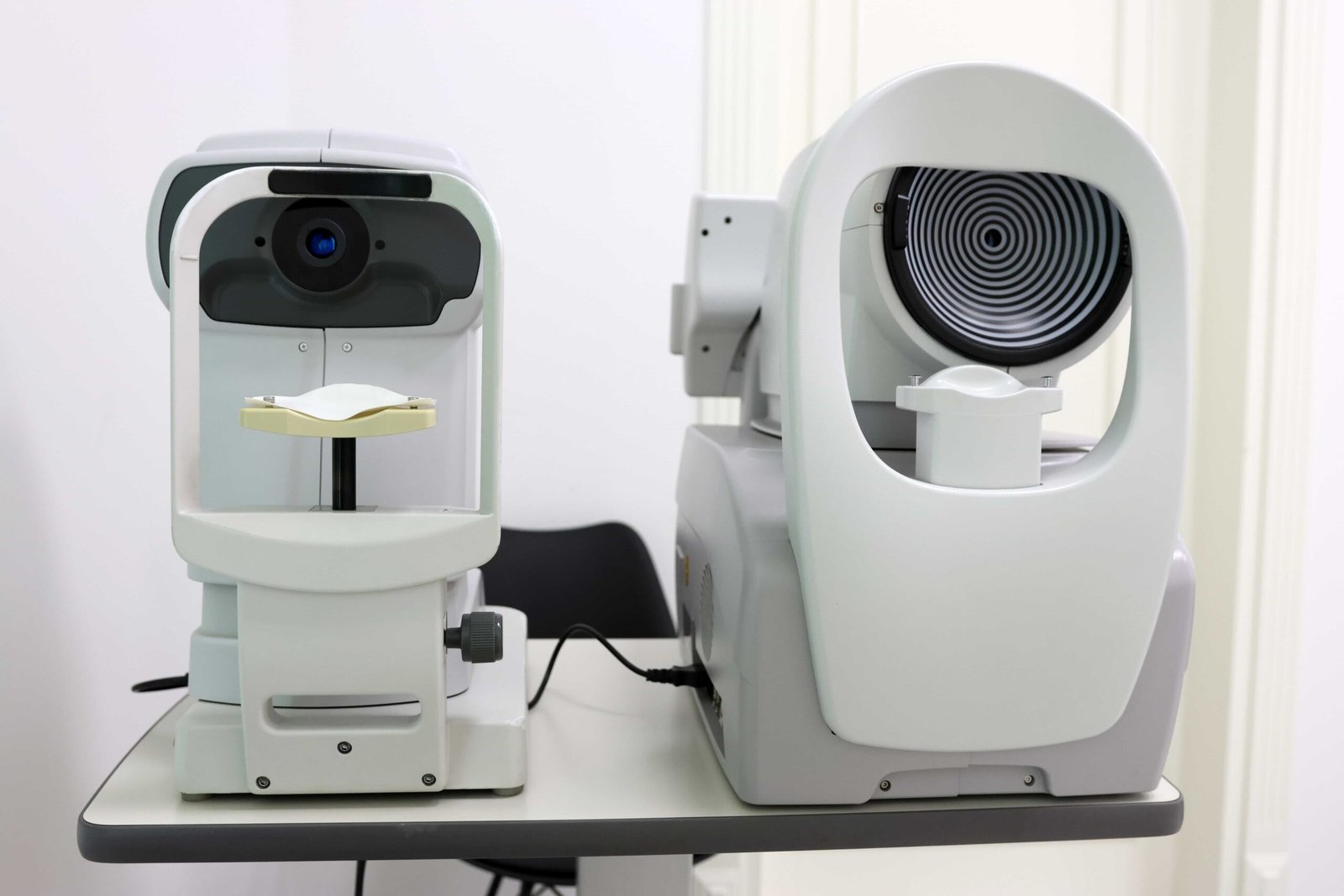
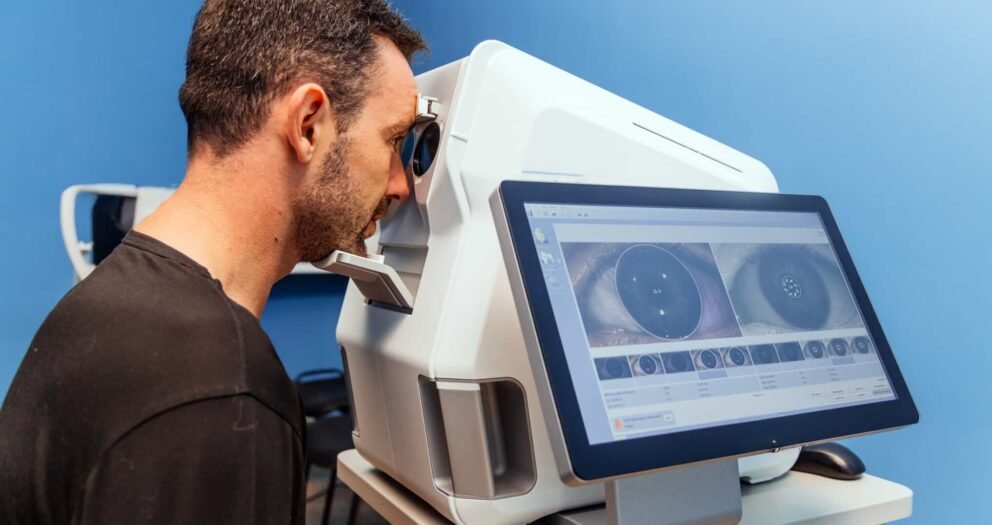
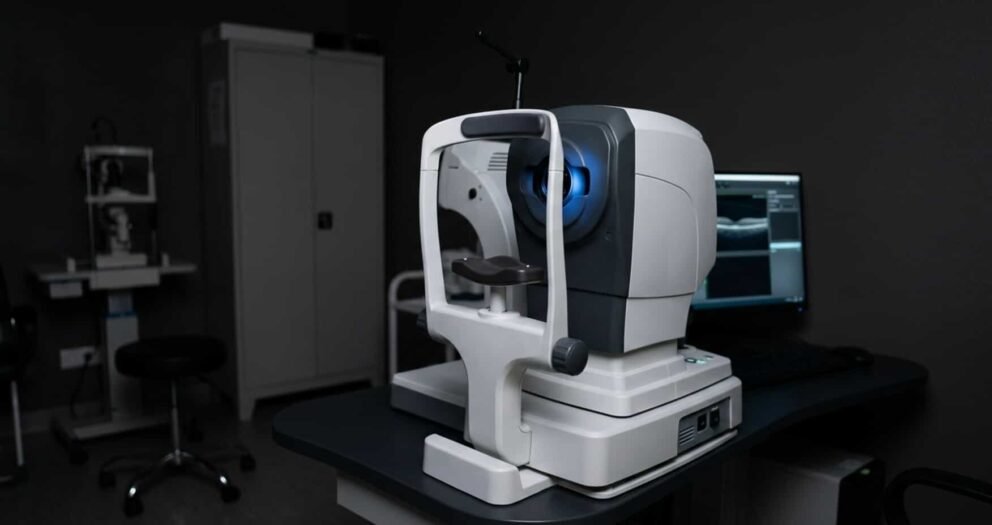
A non-contact tonometer (NCT), often called an air puff tonometer, is an instrument used to measure intraocular pressure without making physical contact with the eye.
Because the test does not touch the cornea, anesthetic eye drops are typically unnecessary, making the procedure quick and comfortable for most patients.
How an Air Puff Tonometer Works
The testing process is straightforward:
- The patient sits in front of the device.
- The instrument aligns with the eye.
- A controlled puff of air is directed at the cornea.
- The device measures the cornea’s response.
- The intraocular pressure reading is calculated and displayed.
This simple process allows technicians to gather valuable eye pressure data in seconds.
Why Non-Contact Tonometry Is Common in Optometry
Non-contact tonometers have become a staple in optometric practices because they offer:
- Fast testing times
- No anesthetic drops
- No direct corneal contact
- Efficient technician operation
- Excellent support for routine screening workflows
Why Every Optometry Clinic Should Consider an NCT

Faster Pre-Test Workflow
A reliable NCT tonometer can significantly speed up patient throughput. By collecting IOP measurements during pre-testing, doctors can review essential information before the comprehensive examination begins.
Better Glaucoma Screening Support
Intraocular pressure is an important factor in glaucoma screening and ongoing eye health evaluations. While IOP alone does not diagnose glaucoma, it provides critical information that can guide further assessment.
More Comfortable Routine Testing
Many patients appreciate non-contact testing because it avoids touching the eye. This often reduces anxiety and allows clinics to perform routine pressure checks efficiently.
Useful for New Clinics and Growing Practices
Most modern optometry clinics include a non-contact tonometer alongside:
- Autorefractors
- Slit lamps
- Lensmeters
- Fundus cameras
- Visual field analyzers
For many practices, an NCT becomes a foundational component of the pre-test lane.
How to Choose the Best Non-Contact Tonometer for an Optometry Clinic
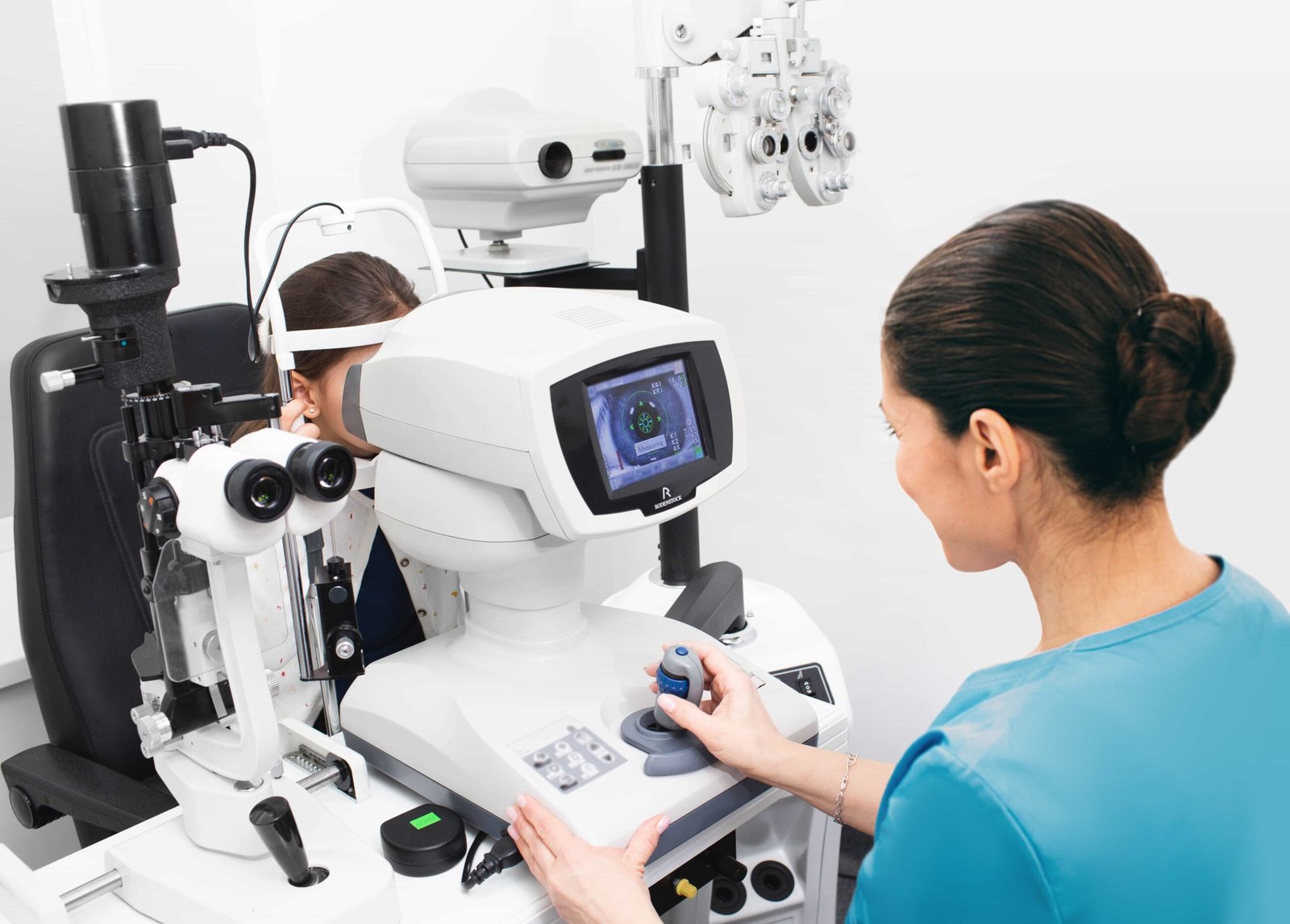
Measurement Accuracy and Consistency
Reliable and repeatable IOP readings are essential for maintaining accurate patient records and supporting clinical decision-making.
Auto Alignment and Auto Shot
Automated features reduce technician workload and improve testing speed. Auto-alignment technology can also help minimize operator variability.
Patient Comfort
Patient experience matters. Softer air puffs and quieter operation can reduce apprehension and improve cooperation during testing.
Pachymetry or Corneal Thickness Correction
Corneal thickness can influence IOP interpretation. Some devices incorporate pachymetry functionality or corneal-thickness-related correction tools that provide additional clinical context.
Data Output and Printing
Many modern systems include:
- Built-in printers
- USB connectivity
- LAN networking
- RS-232C communication
- EMR integration capabilities
These features simplify documentation and record management.
Size, Footprint, and Room Layout
Some clinics benefit from compact tabletop systems, while others may prefer portable handheld devices that can move between examination rooms.
Used Equipment Value
Purchasing a used non-contact tonometer can significantly reduce startup costs while still providing reliable performance when sourced from a reputable supplier.
Top Non-Contact Tonometers Every Optometry Clinic Should Consider
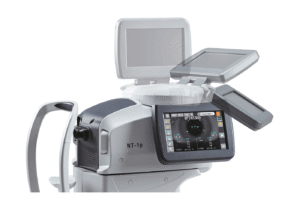
1. NIDEK NT-1P ($7,500.00)
Overview
The NIDEK NT-1P is a practical option for practices seeking both non-contact tonometry and pachymetry-related support within a streamlined workflow.
Best For
Optometry clinics that want eye pressure measurements alongside corneal thickness information.
Key Features
- Non-contact tonometry
- Pachymetry support
- Routine pre-testing capabilities
- Efficient workflow integration
- Strong value in the used equipment market
Why Optometrists Should Consider It
The NT-1P helps clinics collect additional diagnostic information during pre-testing, potentially improving efficiency while expanding clinical data collection.
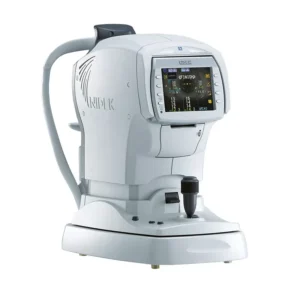
2. NIDEK NT-530P ($3,999.00)
Overview
The NIDEK NT-530P is widely recognized as one of the strongest all-around tabletop non-contact tonometers available for busy optometry practices.
Best For
Clinics requiring fast, automated IOP measurements and high patient throughput.
Key Features
- 3-D auto tracking
- Auto shot
- Auto complete functionality
- Auto Puff Control
- Soft air puff technology
- Corneal-thickness-related IOP correction
- Tiltable LCD display
Why Optometrists Should Consider It
The NT-530 combines automation, comfort, and efficiency, making it particularly appealing for practices with demanding schedules.
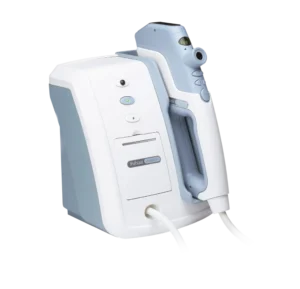
3. Keeler Pulsair IntelliPuff ($2,300.00)
Overview
The Keeler Pulsair IntelliPuff offers portable non-contact tonometry in a lightweight handheld design.
Best For
- Small clinics
- Multi-room practices
- Mobile screening environments
- Space-conscious facilities
Key Features
- Handheld operation
- Non-contact IOP measurement
- Portable workflow
- Flexible room-to-room use
- Reduced equipment footprint
Why Optometrists Should Consider It
The IntelliPuff provides exceptional flexibility for clinics where portability and space savings are priorities.
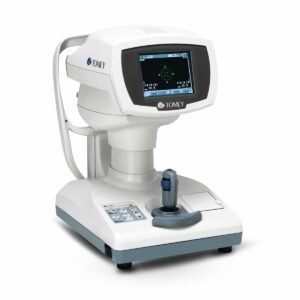
4. Tomey FT-1000 ($3,900.00)
Overview
The Tomey FT-1000 is designed to simplify routine eye pressure testing through automation and patient-friendly operation.
Best For
Clinics seeking technician-friendly workflows and efficient patient processing.
Key Features
- Touchscreen alignment
- Auto alignment
- Auto shot capability
- Soft, silent air pulse
- High-speed measurement
- Corneal-thickness-related IOP correction
- Built-in printer
Why Optometrists Should Consider It
The FT-1000 supports smooth patient flow while helping reduce operator burden during routine examinations.
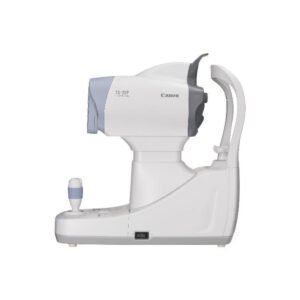
5. Canon TX-20P ($4,299.00)
Overview
The Canon TX-20P combines non-contact tonometry and pachymetry within a single diagnostic platform.
Best For
Practices seeking both IOP measurement and corneal thickness assessment in a single device.
Key Features
- Non-contact tonometry
- Pachymetry measurement
- Full auto, auto, and manual alignment modes
- Broad IOP measurement range
- Pachymetry functionality
- Built-in thermal printer
- USB, LAN, and RS-232C connectivity
Why Optometrists Should Consider It
The TX-20P offers a compact, dual-purpose solution that can enhance diagnostic capabilities while minimizing equipment footprint.
Best Non-Contact Tonometer by Optometry Clinic Type
Best for New Optometry Clinics
The NIDEK NT-530 is an excellent choice for clinics prioritizing automation and workflow efficiency. Clinics seeking pachymetry capabilities may prefer the Canon TX-20P.
Best for Small Clinics
The Keeler Pulsair IntelliPuff stands out due to its portability and minimal space requirements.
Best for High-Volume Clinics
Both the NIDEK NT-530 and Tomey FT-1000 offer automation features that support rapid patient throughput.
Best for Clinics That Want Pachymetry
The NIDEK NT-1P and Canon TX-20P provide valuable corneal thickness-related capabilities.
Best Used Equipment Value
Used NIDEK, Keeler, Tomey, and Canon units often provide excellent value for practices seeking trusted equipment while controlling costs.
New vs Used Non-Contact Tonometer: Which Should You Buy?
Benefits of Buying New
New equipment may offer:
- Latest technology
- Manufacturer warranty
- Direct OEM support
- Current software updates
Benefits of Buying Used
Used equipment can provide:
- Lower acquisition costs
- Faster return on investment
- Access to premium brands
- Greater affordability for startup clinics
When a Used NCT Makes Sense
A used non-contact tonometer can be an excellent investment when the unit has been properly tested and matches the clinic’s workflow requirements. For many practices, purchasing used equipment provides access to trusted brands and advanced features at a significantly lower cost than buying new. This can be especially beneficial for startup clinics, expanding practices, or offices looking to add an additional pre-test lane while maintaining a reasonable equipment budget.
What to Check Before Buying Used
Evaluate:
- Brand and model
- Measurement range
- Alignment functionality
- Air puff performance
- Display condition
- Printer operation
- Data output ports
- Calibration or testing status
- Included accessories
- Power requirements
- Cosmetic appearance
- Functional condition
Why Buy Used Non-Contact Tonometers from Ferris Optical Inc.?
Used Ophthalmic Equipment for Optometry Clinics
Ferris Optical Inc. supplies used and secondhand ophthalmic equipment to eye care professionals worldwide.
Lower Equipment Cost
Many clinics can significantly reduce equipment expenses compared with purchasing brand-new devices.
Trusted Brands
Ferris Optical frequently works with respected manufacturers such as:
- NIDEK
- Keeler
- Tomey
- Canon
- Topcon
- Zeiss
- Haag-Streit
Practical Support for Clinic Buyers
Equipment recommendations can be tailored to:
- Clinic size
- Workflow requirements
- Budget considerations
- Intended clinical use
Build or Upgrade Your Optometry Clinic for Less
Whether opening a new location or expanding an existing practice, Ferris Optical helps clinics access quality ophthalmic equipment at a more affordable cost.
Frequently Asked Questions About Non-Contact Tonometers
What is a non-contact tonometer?
A non-contact tonometer is a device that measures intraocular pressure without touching the eye.
Is a non-contact tonometer the same as an air puff test?
Yes. Many patients and clinicians refer to non-contact tonometry as the “air puff test.”
Do optometrists need a non-contact tonometer?
Many optometry clinics use NCT devices as part of their routine pre-testing and eye pressure screening workflow.
Which non-contact tonometer is best for optometry clinics?
The best choice depends on budget, available space, patient volume, automation requirements, and whether pachymetry functionality is desired.
Is a used non-contact tonometer worth buying?
Yes, provided the device has been properly tested, includes the necessary accessories, and supports your clinic’s workflow needs.
Does Ferris Optical sell used non-contact tonometers?
Ferris Optical supplies used and secondhand ophthalmic equipment, including non-contact tonometers when available.
Choose the Right Non-Contact Tonometer for Your Optometry Clinic
A non-contact tonometer is still one of the most important devices in a modern optometry clinic. These systems provide quick, comfortable, and effective intraocular pressure measurements. They assist with patient care, improve workflow, and aid in glaucoma screening.
As patient expectations change and clinics work to improve efficiency, having reliable diagnostic equipment is crucial. Non-contact tonometers enable technicians and clinicians to gather valuable eye health data in seconds. This makes them essential for routine pre-testing. Because these devices do not touch the eye or need anesthetic drops, they can offer a more comfortable experience for many patients. They also help practices maintain a steady flow throughout the day.
Today’s non-contact tonometers come with various features to suit different clinic environments. High-volume practices may benefit from automation features like auto-alignment and auto-shot, while smaller clinics may prefer compact designs or portable handheld options. Some models include pachymetry or corneal-thickness-related IOP correction, allowing practices to collect more diagnostic information during a single patient visit.
Whether you choose the NIDEK NT-1P, NIDEK NT-530, Keeler Pulsair IntelliPuff, Tomey FT-1000, or Canon TX-20P, the right system should match your clinic’s patient volume, workflow preferences, available space, and budget. Each of these models has unique advantages that can help improve efficiency and support quality patient care.
For clinics wanting to maximize value, buying a professionally tested used non-contact tonometer can be a cost-effective way to access reliable technology without the high cost of new equipment. By carefully assessing your needs and choosing equipment from a trusted supplier, you can make a smart investment that supports your practice for years. Ferris Optical Inc. can assist you in finding dependable ophthalmic equipment solutions that fit your goals, whether you’re opening a new clinic, upgrading existing technology, or expanding your diagnostic capabilities.
Among the top models to consider are:
- NIDEK NT-1P
- NIDEK NT-530
- Keeler Pulsair IntelliPuff
- Tomey FT-1000
- Canon TX-20P
If you are opening, upgrading, or expanding an optometry clinic, it’s easy to find affordable used non-contact tonometers and other ophthalmic equipment from trusted brands. Visit Ferris Optical to check current availability and discover cost-effective solutions for your practice. If you’re looking for a specific model, the team is happy to answer any questions and guide you to the best fit for your practice.
 English
 Spanish
 German
 French